Real engineering. Real robots. Real projects.
High schoolers build real tech projects together in Chatham, working hands-on with Chatham Circuit, our humanoid robot. They leave with a portfolio that strengthens their college applications. Authentic engineering, not test prep.

What YIP really is
A small team of high schoolers taking on real engineering problems: scoping them, building working solutions with advanced hardware and AI, and presenting the results. It's the kind of self-directed, hands-on work that's rare at the high school level.
Because the work is real, it shows up naturally in a college application as a portfolio of things they actually built, not a line about a course they sat through.
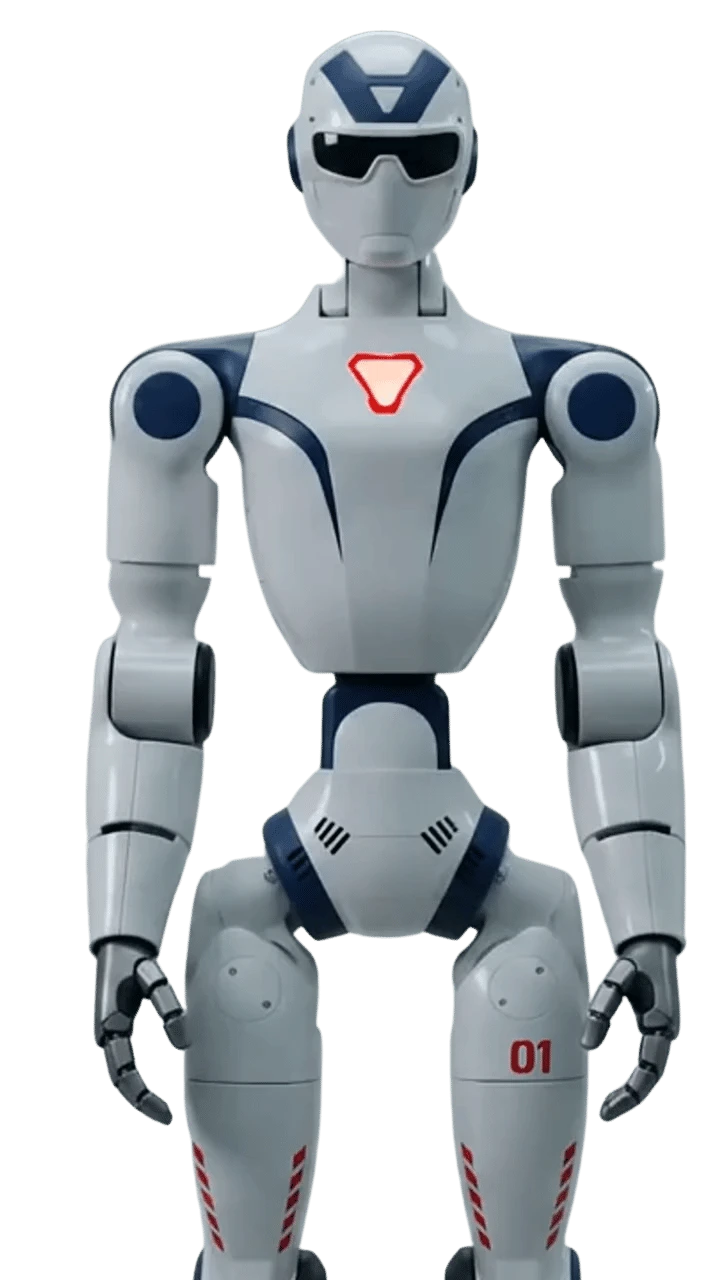
Meet Chatham Circuit
Chatham Circuit is our Unitree R1 EDU, an agile 25 kg humanoid robot built for research and engineering. YIP students program it and work with it hands-on, not through a simulator.
How the 12 weeks work
The engineering lifecycle
Find a real-world problem worth solving — from teaching the humanoid robot a new behavior to building an app or AI tool that people would actually use.
Architect your solution like a product team: define what it needs to do, break it into modules and capabilities, and decide who on the team builds what.
Do the real building — write the code, wire up the hardware or AI, and bring your project to life.
Iterate on what you learned — then run the loop again, sharper each pass.
Present your working project to a real audience on demo night.
Put it through its paces; find what breaks, measure what works, and prove it holds up.
Find a real-world problem worth solving — from teaching the humanoid robot a new behavior to building an app or AI tool that people would actually use.
Architect your solution like a product team: define what it needs to do, break it into modules and capabilities, and decide who on the team builds what.
Do the real building — write the code, wire up the hardware or AI, and bring your project to life.
Put it through its paces; find what breaks, measure what works, and prove it holds up.
Present your working project to a real audience on demo night.
Iterate on what you learned — then run the loop again, sharper each pass.
The cycle repeats and deepens with each project — students get better at the whole methodology as the cohort progresses, running it with less scaffolding every pass.

What students build
Robotics work with Chatham Circuit, plus apps, data projects, and AI and automation systems, culminating in a capstone each student owns end to end.
Genuine builds: not tutorials, not worksheets, not one project everyone copies from the same instructions.
Demo night
Each cohort ends with a public demo night in Chatham. Students present working projects to families, mentors, and guests: what they built, why, and what broke along the way. They take questions live and own the work in front of a real audience.

What students walk away with
Not a generic certificate. Two things that carry weight in a college application.
A portfolio project they own
A real, working project to keep, extend, and show in an interview or application. Code, hardware, and documentation included.
A signed attestation
Our Center Director vouches in writing for the student's specific work and contribution: a credible, personal account rather than a mass-produced certificate.
Program format
Build something real this cohort.
YIP is application-based, with 4 to 8 students per cohort.